Brain Games and Problem-Solving: What They Really Train
Brain games are fun, but what do they really train? A balanced look at memory, reaction and logic games and everyday problem-solving.
Brain games are often marketed with big promises. We prefer a more honest view: they are enjoyable ways to practise specific thinking skills, and that is valuable on its own.
Here is what memory, reaction and logic games ask of you and how to get the most out of them.
What brain games actually practise
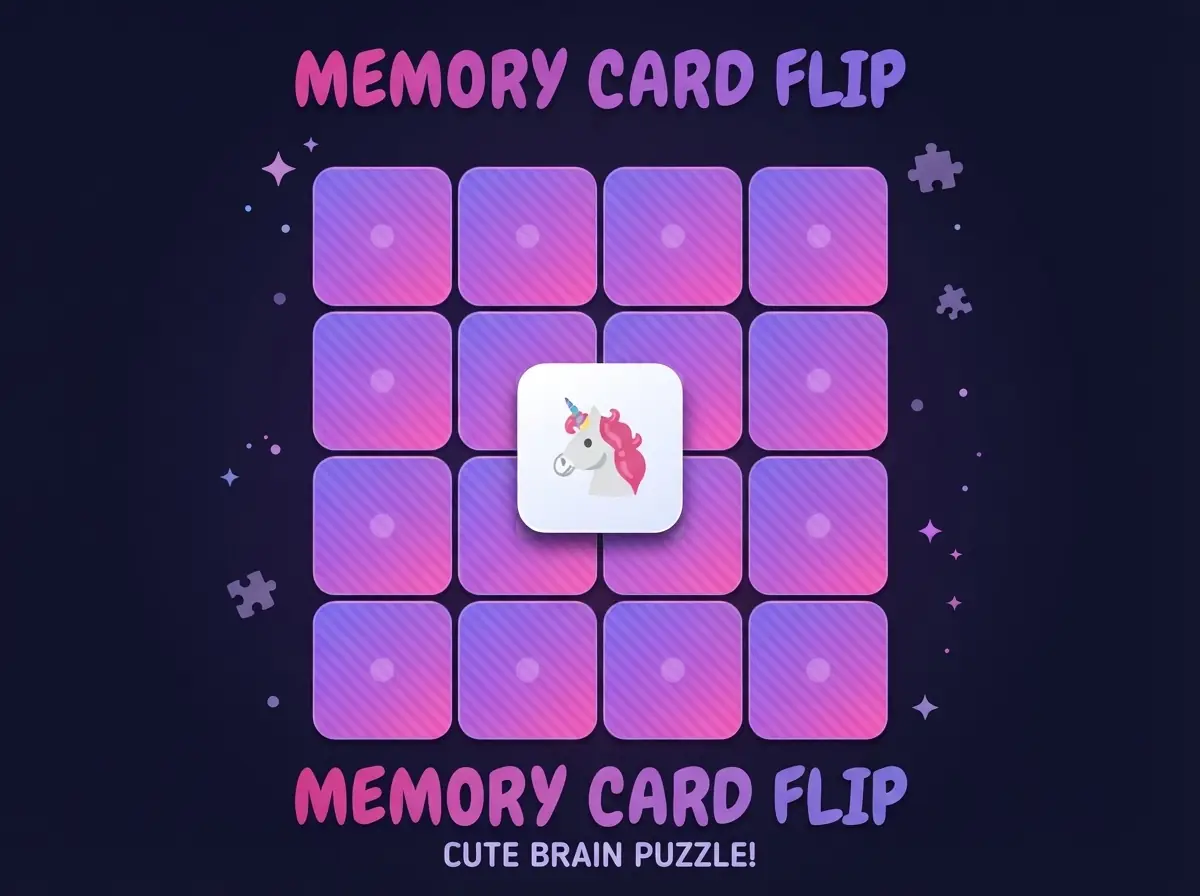
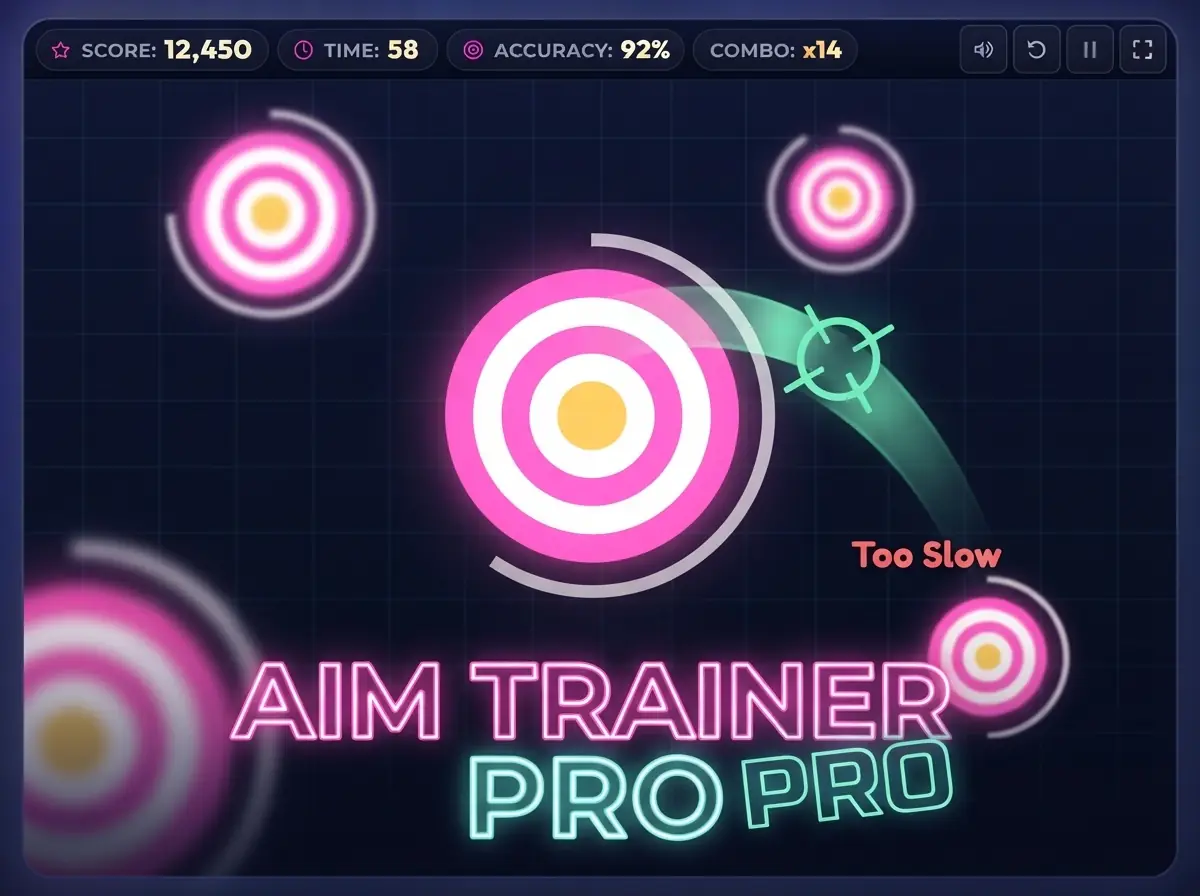
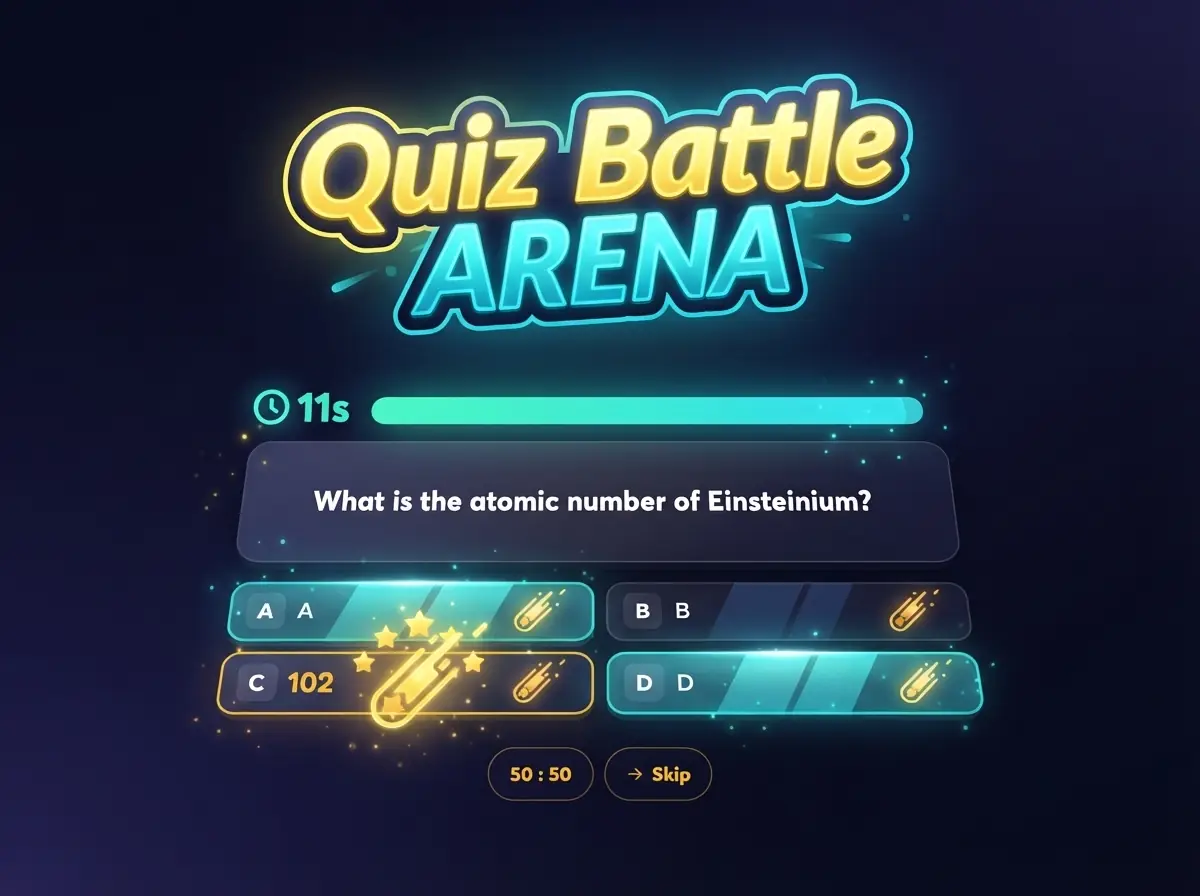
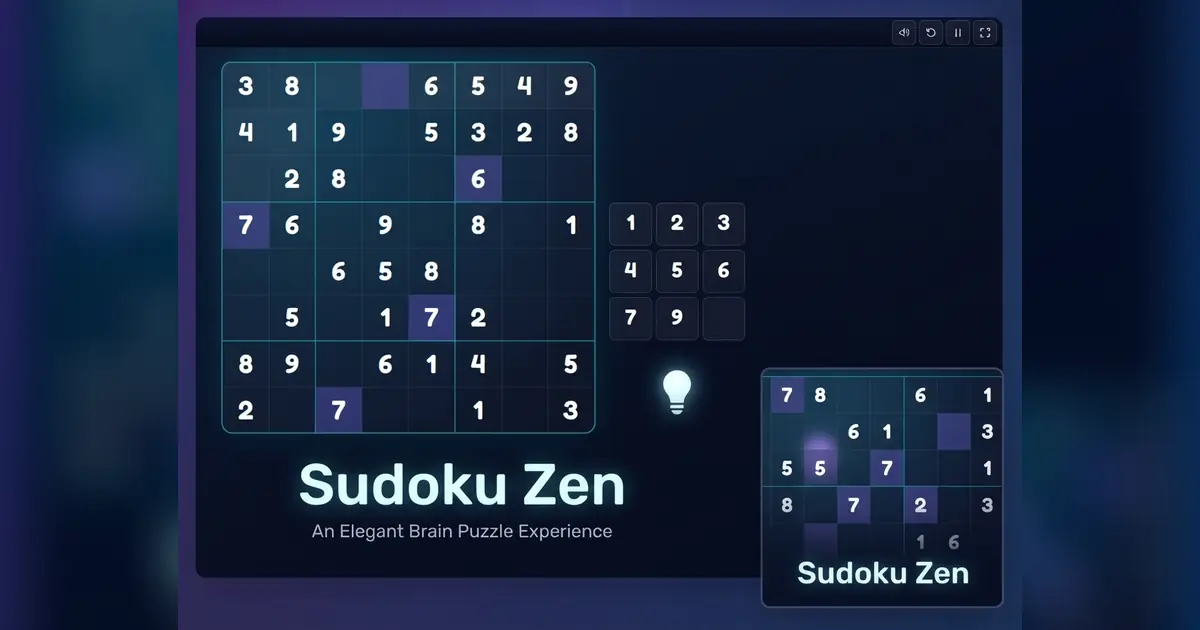
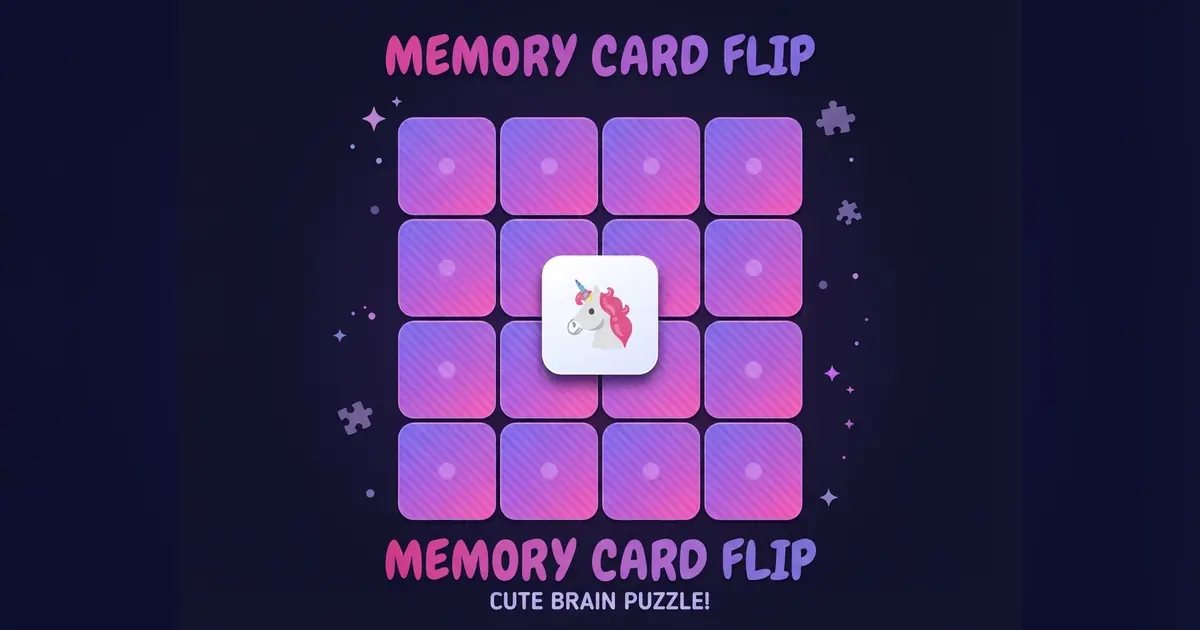
Each type of brain game focuses on particular skills. Memory Card Flip exercises short-term visual memory. Aim Trainer Pro practises hand-eye coordination and precision. Sudoku Zen is pure logical deduction, and Quiz Battle Arena tests recall under a little time pressure.
Getting better at a game mostly means getting better at that game. Claims that puzzles broadly boost intelligence should be treated with caution.
Why they are still worth playing
Brain games give you a safe space to practise patience, careful observation and learning from mistakes. They are also simply enjoyable, and a focused, relaxing activity is a good use of a break.
Getting the most out of brain games
A few ideas help keep brain games engaging:
- Mix different types of games instead of repeating one style.
- Track a single number, like accuracy or moves used, and try to improve it.
- Notice which strategies transfer from one game to another.
Final thoughts
Brain games are best enjoyed for what they are: satisfying challenges that reward careful thought. Explore our Brain category for memory, reaction and trivia games that make you think.