Beginner's Guide to Sudoku
New to Sudoku? Learn the rules, the first solving techniques to master, and the habits that help you finish harder puzzles with fewer mistakes.
Sudoku is one of the most approachable logic puzzles there is. There is no math involved, only nine digits and a few simple rules, and anyone can start solving in minutes.
Getting good at it is a different matter. This guide explains how Sudoku works and which techniques separate stuck players from confident ones.
The basic rules
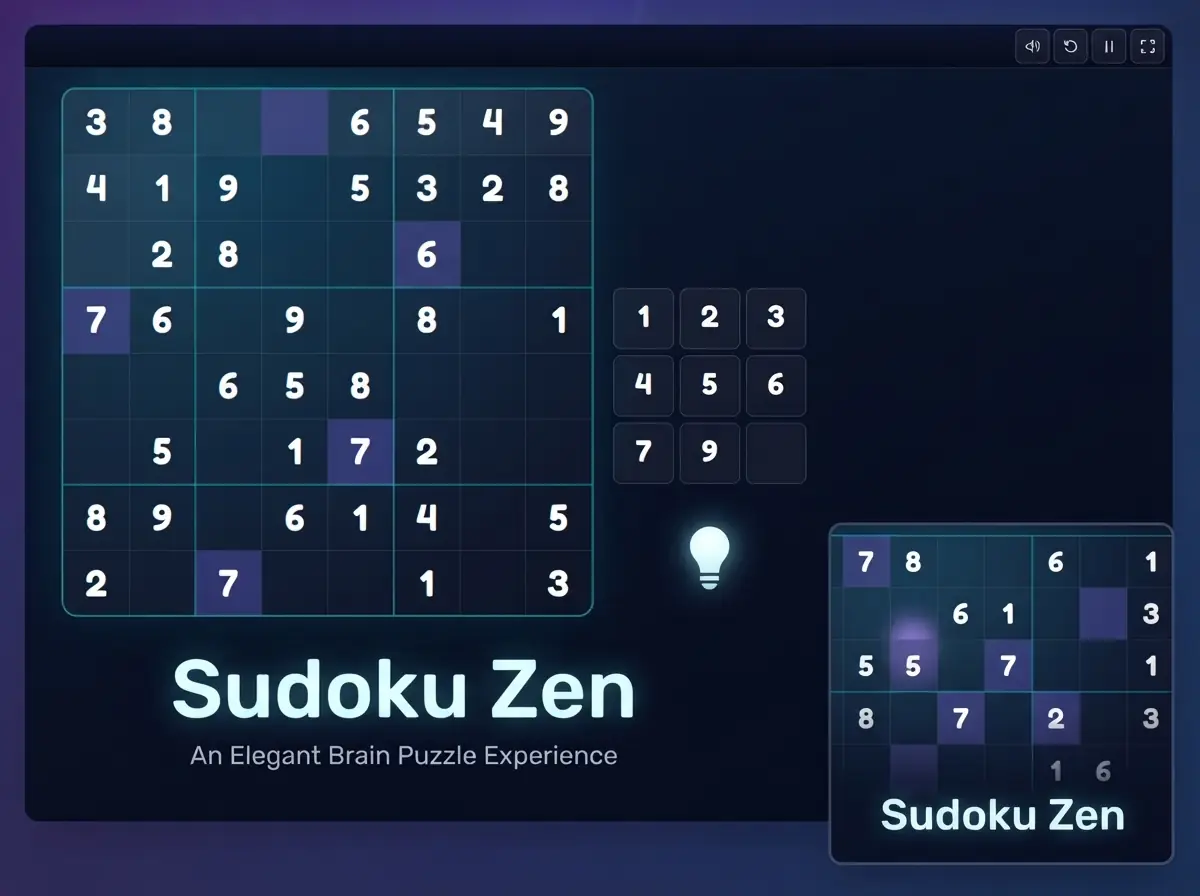
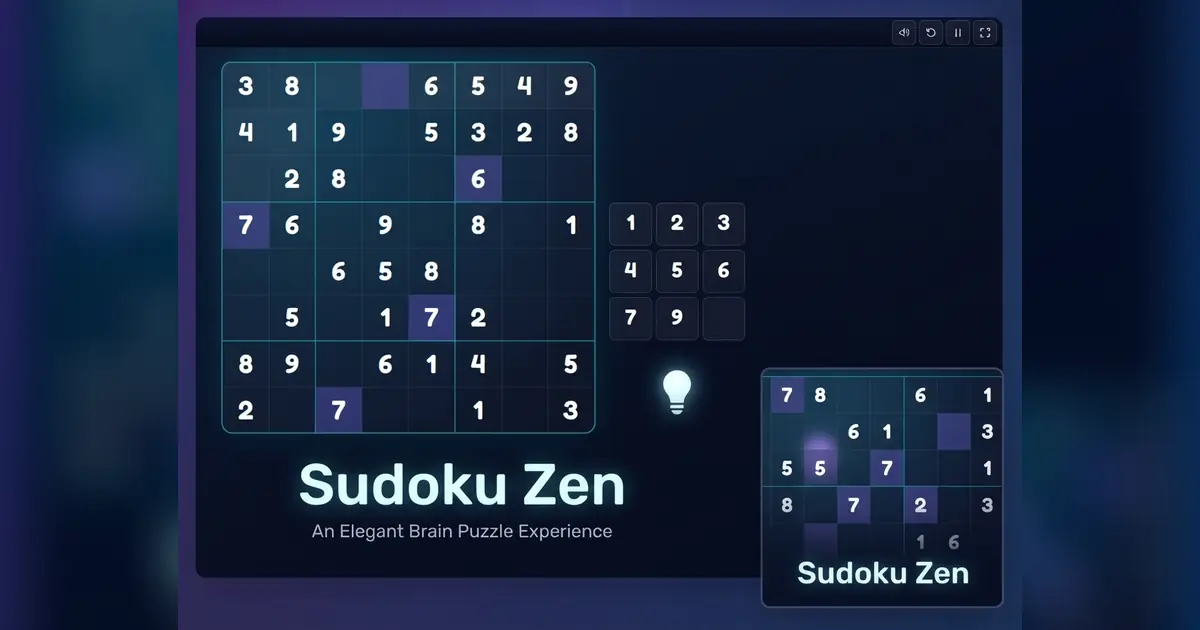
A Sudoku grid has 81 cells arranged in nine rows, nine columns and nine 3×3 boxes. Some cells start filled in. Your job is to fill the rest so that every row, column and box contains each digit from 1 to 9 exactly once.
A well-made puzzle, like every board generated in Sudoku Zen, has exactly one solution. That means you never need to guess. Each number can be worked out with logic.
Technique one: scanning
Pick a digit, say 5, and look at where it already appears. Each 5 rules out its whole row, column and box. Often only one empty cell is left in a box where a 5 can go. Scanning each digit in turn solves a surprising amount of an easy board.
Technique two: candidates and notes
When scanning stops working, switch to notes:
- Pencil in every digit that could still go in a cell.
- When a cell has only one candidate left, it is solved.
- When a digit appears as a candidate in only one cell of a row, column or box, it belongs there.
- Update your notes every time you place a number, so they stay accurate.
Habits that prevent mistakes
Most mistakes come from rushing. Before placing a number, check its row, column and box once more. Tools that highlight related cells, like the ones in Sudoku Zen, make this quick. Save hints for when you are genuinely stuck, because the moment of working it out yourself is the best part of the puzzle.
Final thoughts
Sudoku is easy to learn and deep enough to keep improving at for years. Start with easy boards in Sudoku Zen, practise scanning and notes, and move up a difficulty when it starts to feel comfortable.