Why Roguelike Games Are So Replayable
Roguelikes turn defeat into part of the fun. Here is why procedural levels, meaningful choices and short runs keep players coming back.
In most games, losing means going back to a checkpoint. In a roguelike, losing means starting again from the very beginning, and somehow that makes players want to play more, not less.
Why does the format work so well? And how do you get better at games where every run is different?
Every run is a new layout
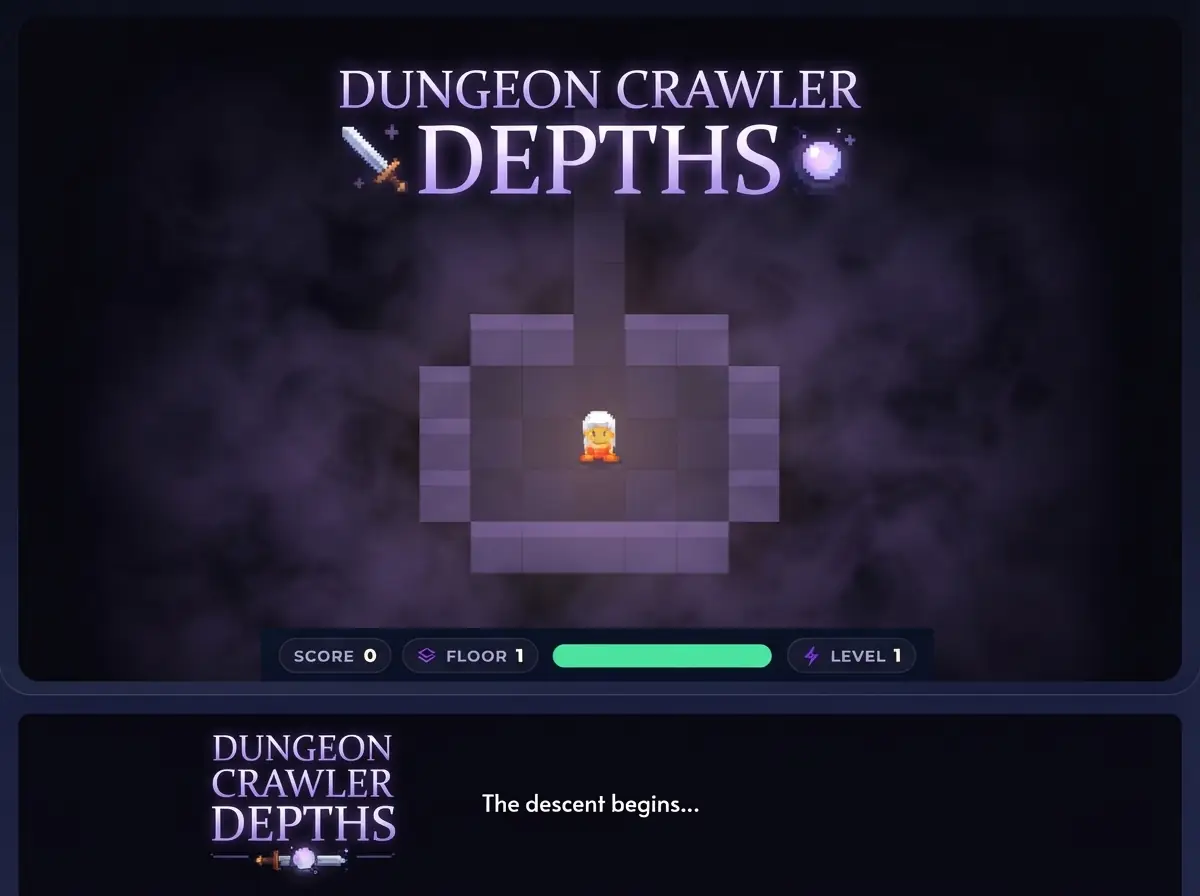
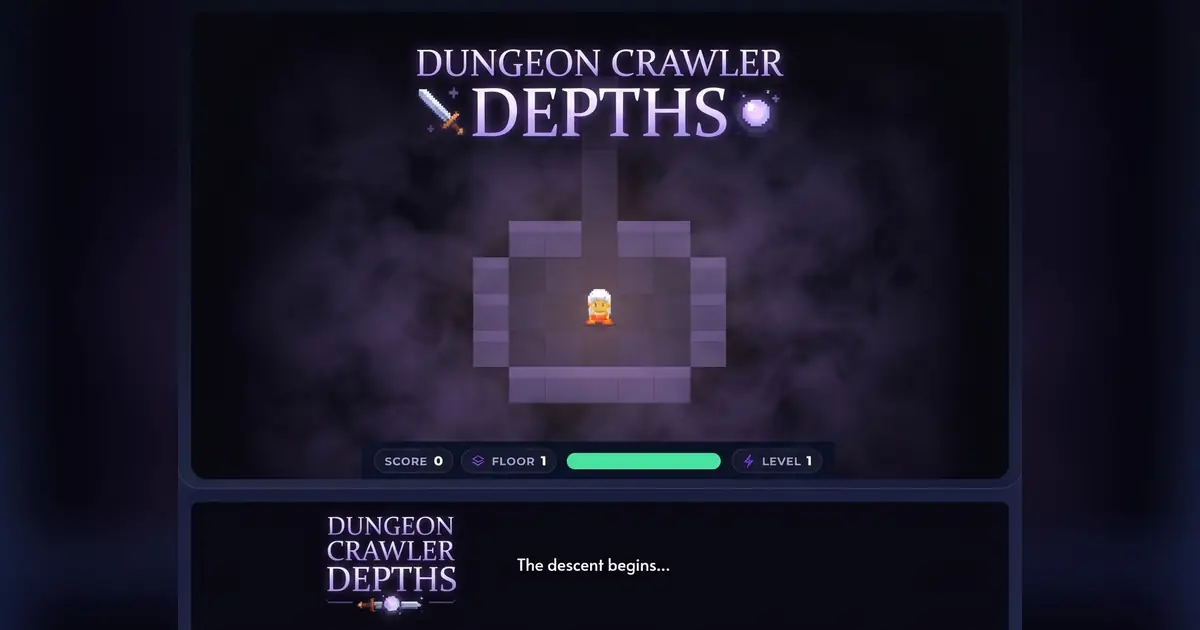
Dungeon Crawler Depths generates fresh rooms, corridors, monsters and loot on every floor. You can't memorize a level, so each run asks you to read a new situation and adapt.
Choices that shape the run
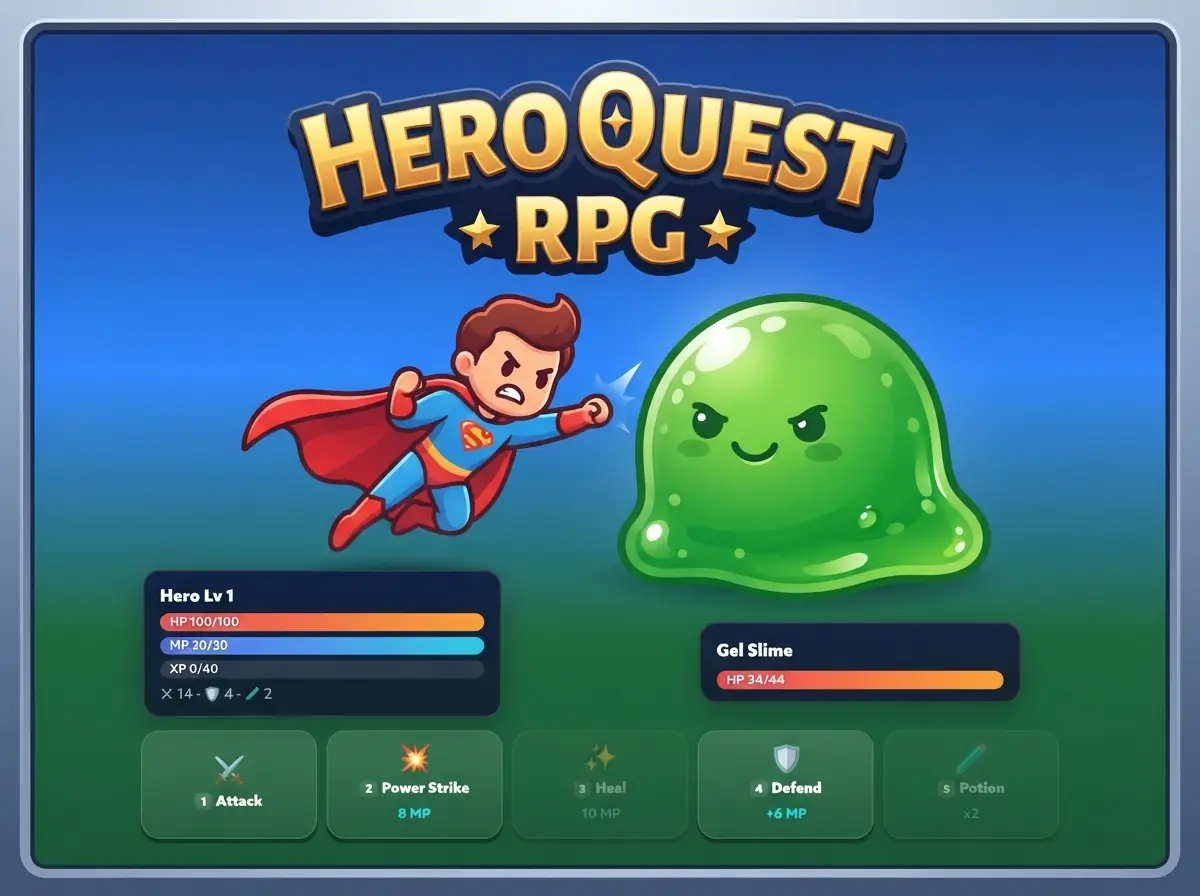
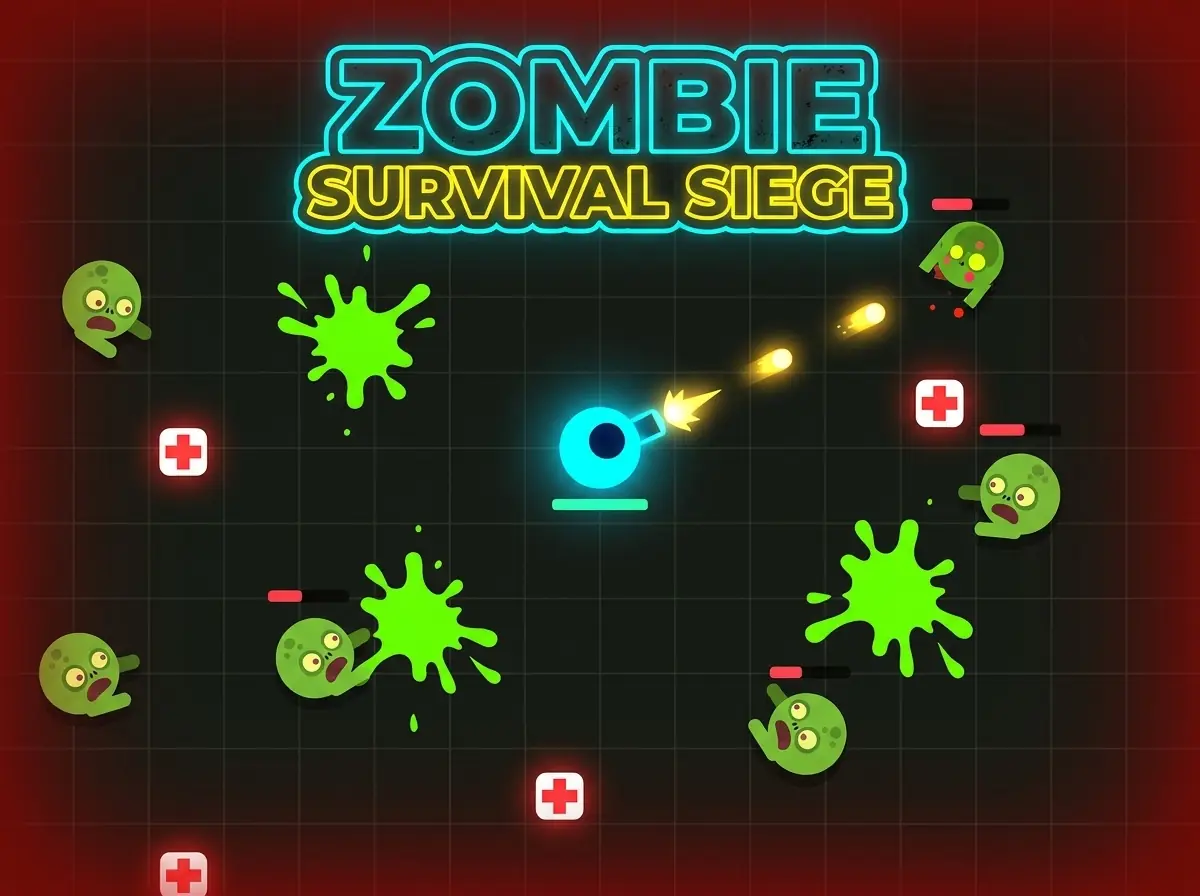
Roguelike-style games constantly offer small decisions with big consequences. Do you pick the extra potions or the attack boost in Hero Quest RPG? Spread shot or piercing rounds in Zombie Survival Siege? These choices make each run feel like your own story.
Short runs, fast restarts
Because a run can end at any moment, roguelikes keep them short and restarts instant. A defeat costs a few minutes, not an hour, which makes trying again an easy decision.
How to go deeper
Strong roguelike players tend to:
- Fight in narrow spaces so only one enemy can reach them at a time.
- Level up on easier floors before rushing toward danger.
- Keep an emergency heal in reserve instead of using it at the first scratch.
Final thoughts
Roguelikes combine fresh challenges with meaningful choices, which is why they are so easy to replay. Try the format for yourself in Dungeon Crawler Depths or Hero Quest RPG.